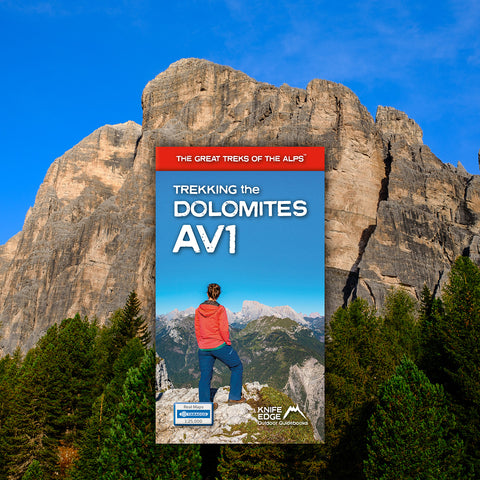
The Dolomites Alta Via 1 (AV1)
The AV1 is the premier long-distance trekking route in the Dolomites. It crosses the entire range from north to south so it is a superb showcase for the sheer beauty of these mountains. It is the perfect way to explore the range’s exquisite beauty and its fascinating open-air museum of WW1 history. It is a linear route, entirely within Italy, between Lago di Braies in the north and Belluno in the south. On the journey, you cross incredible high mountain passes enabling travel from magnificent valley to magnificent valley. And there are exquisite alpine plateaus, wonderful grassy pastures and carpets of wild-flowers, the like of which you will never have seen before. The AV1 is 121km long with 7,200 metres of ascent and 8,200 metres of descent. The highest point is 2752m.

What is so special about the Dolomites?
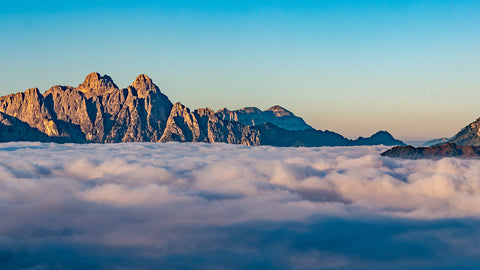
Although the Dolomites are immediately adjacent to the main Alpine chain, they are different. Very different. Different in shape. Different in colour. And most importantly from a trekker’s point of view, different in atmosphere and aura. Of these peculiarities, the unique shape of these magnificent mountains is most instantly obvious: the sharp pointy peaks (with their jagged and often seemingly impossible angles), spiky broken crests and incredibly sheer cliffs and walls, are unlike those in any other range. And the colour of the Dolomites is striking too: they are made of limestone and are known as the ‘Pale Mountains’ for good reason. The rock here varies in shade from pale grey to an unforgettable bright white which takes on a sublime pink hue at sunrise and sunset.
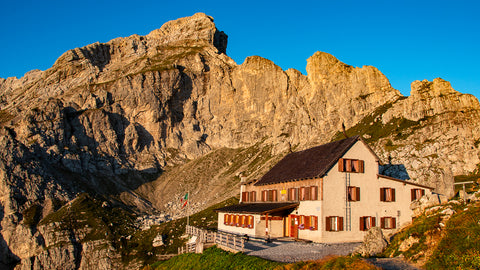
However, it is the aura of the Dolomites which will shape your experience the most and leave you yearning to return. This ambiance is less tangible than the mere physical appearance of the peaks but you will feel it more strongly each day as you wander through the plateaus and valleys of these incomparable mountains. Of course the sheer beauty of the surroundings provides the foundations for these feelings but other factors shape them. The sad history of the region certainly has a part to play: the Dolomites served as the arena for much fighting during World War 1 (WW1). Many of the paths you walk were military ‘roads’ built during this period and other evidence of the conflict is still on display in the form of bunkers and tunnels. As is often the case in the best stories, beauty and sorrow combine for an evocative and memorable experience.
The cultural characteristics of the Dolomites also shape the experience. In the northern sections, often German is the first language and the southern sections are largely Italian speaking. The cultures of these two zones are very different and this is most apparent from the different foods served at the huts (see ‘Food’ below). Indeed, the food is particularly wonderful in the Italian areas. So good in fact that we would argue that the AV1 offers the finest culinary experience of any trek in the world. If that is not enough to persuade you to come, then we do not know what is!
How long does the AV1 take?
The standard itinerary is 11 days. But fitter walkers can have a go at schedules of as little as 6 days. Our guidebook sets out 7 different itineraries of 11, 10, 9, 8, 7 and 6 days. It really is up to you and your fitness level.
One stop info source for AV1 planning
Don't waste precious hours trawling the internet
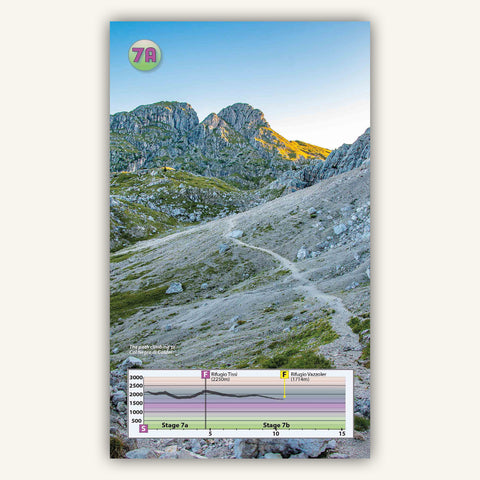
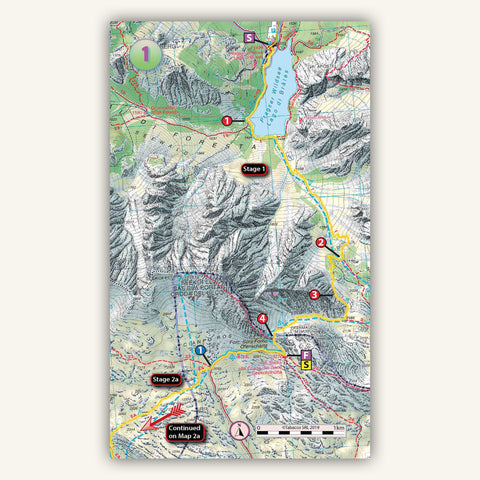
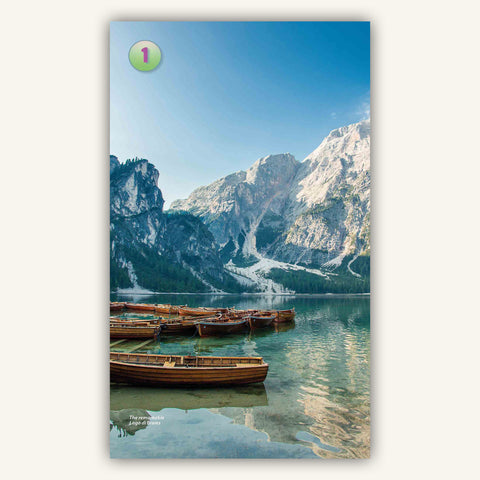
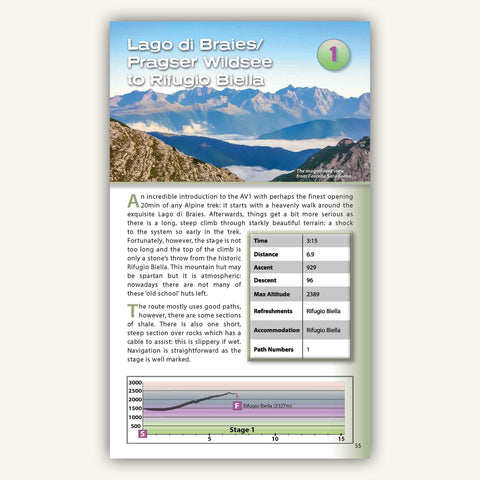
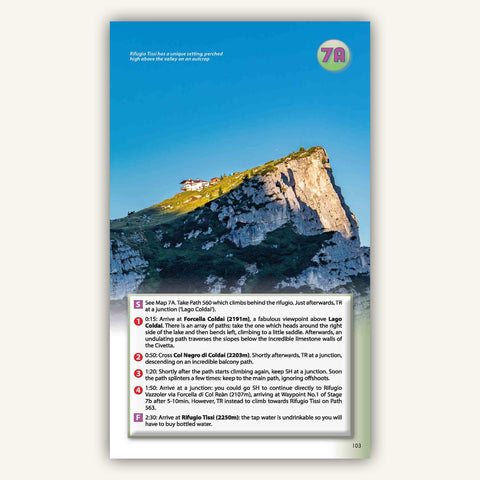
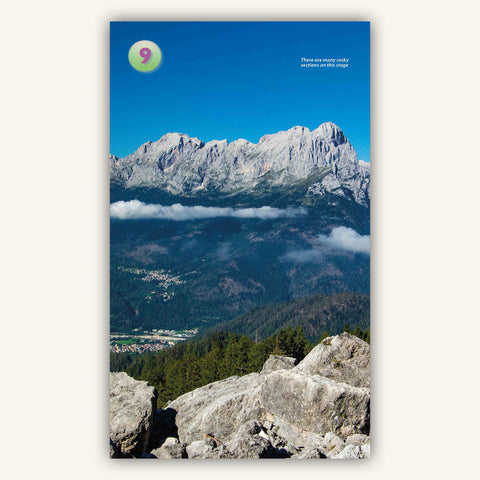
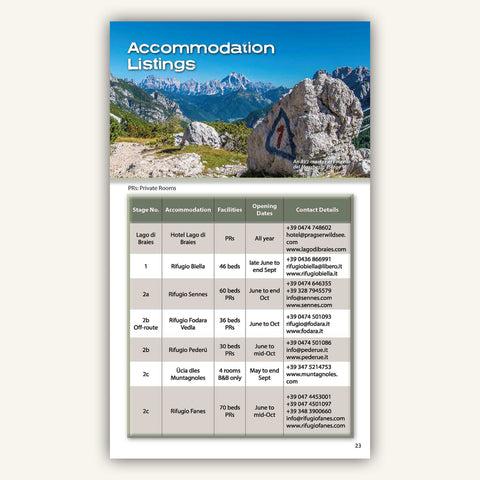
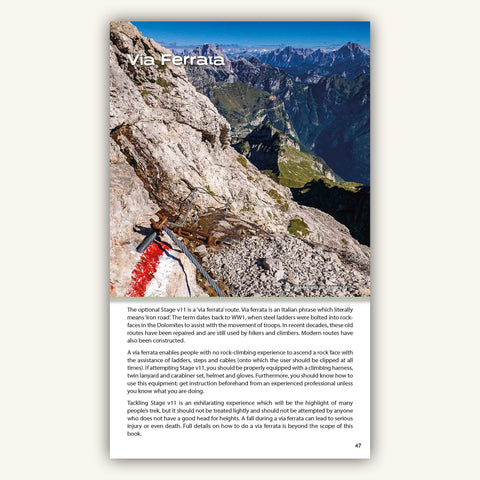
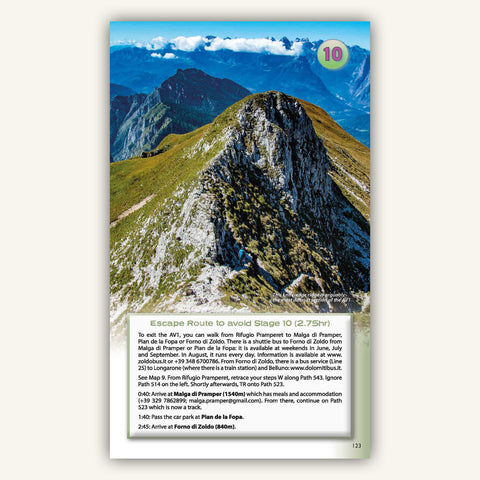
Randonnée sur l'AV1 des Dolomites
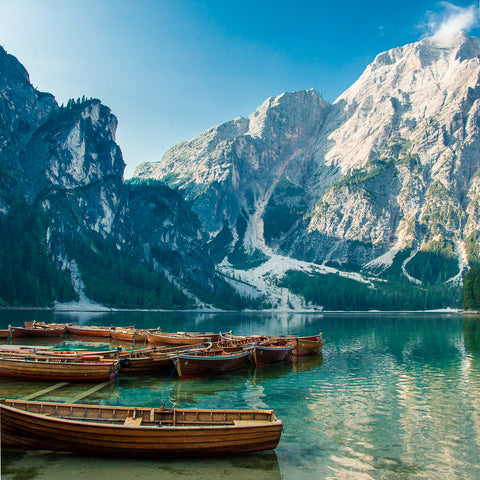
Well now that we have brought up fitness levels....Am I fit enough to do it?
The AV1 is a multi-day trek with significant distances to travel, and metres to climb, each day. Accordingly, a reasonable level of fitness is required. However, it is fair to say that it is far from the most difficult trek in the Alps and it is therefore an excellent option for those new to trekking. The overall distance is short compared to some other Alpine treks. And unlike some other treks, once you are ‘up’ you stay ‘up’: the AV1 rarely dips below 1500m. Of course there are climbs and descents, but there are fewer of the huge climbs experienced elsewhere.
The sensible spacing of the mountain huts (‘rifugi’) helps too: it is simple to design an itinerary to suit your own specific abilities. And, with a few exceptions, the AV1 is well-served by good paths and tracks: there are some sections which are more challenging but they can all be bypassed if required. Furthermore, if you walk in the conventional direction (N to S), the most difficult sections of the trek are undertaken towards the end when you are ‘trail-hardened’. In summary, if you are reasonably fit then this trek should be within your capabilities.
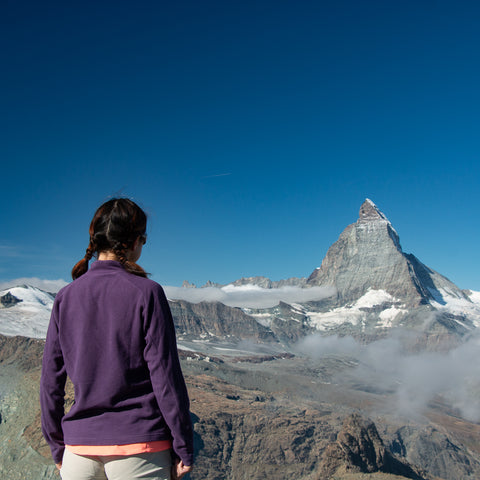
What are the trails like?
Much of the AV1 uses clear paths which are easy to follow. Each path in the Dolomites has its own specific number: these numbers are indicated clearly on the maps and we have also listed the relevant numbers in the introduction for each sub-stage. Furthermore, on the trail, there are frequent waymarks (painted on trees and rocks) and signs which display the path numbers. Consequently, navigation in good conditions is generally straightforward.
Should I go on an guided trip or walk independently?
Well that depends on you. A self-guided trip can be a life-changing experience opening the door for future adventures. And the satisfaction of planning, booking and completing the AV1 on your own is something to savour. Thousands of people guide themselves each year and many of them have never undertaken a trek before. But self-guided trekking is not for everyone: some prefer to have a guide to make all important decisions for them. And booking with a guiding company has other benefits too: they can organise food, accommodation and pack transfer so you don't need to carry it. Independent trekkers have to do all that for themselves.
Dolomites Discount Bundle: SAVE 20%
Buy both books to save 20%
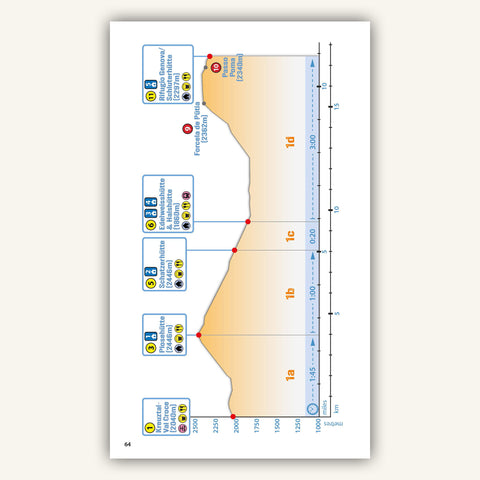
When to go?
Mid-June to late-September is the normal period for walking the AV1. Before and after these dates, some accommodation closes. You can walk in late September but check that you can find places to stay before you set out. As with all Alpine treks, in some years, high cols can be snow–covered until early July, making parts of the WHR difficult.
Where do you stay?
The AV1 is a popular trek and the quality of accommodation has improved greatly in recent years. You will stay in mountain huts (‘rifugi’) which offer dormitory accommodation, meals and alcohol. Sometimes private rooms are also available but they book up very quickly. The huts are situated in the heart of the mountains where they are normally accessible only to walkers. A stay in a rifugio can be one of the highlights of a mountain adventure such as the AV1. They are basic but they are good value.
Do I need to book in advance?
Almost certainly. In July and August, forward booking is essential: these days, most people have their entire trip booked before they depart. During those months, the days of ‘winging it’ are gone. Even outside of July and August, it is wise to book ahead, particularly at weekends and on sub-stages where there is only one place to stay. In June and September, fewer people walk the route so there is less demand for accommodation. However, the number of AV1 trekkers in June and September is increasing each year. In these periods, you can sometimes still get away with only booking a day or two in advance but you might be unlucky and end up without anywhere to stay.
What do you mean by 'travelling light'?
The lighter your pack is the more you will enjoy the trek. Every oz counts. Standard advice is to bring 'only what is absolutely necessary' but what does that actually mean? We prefer the 'Will I die, or endure pain, without it?' test. For example, that hair dryer. Yes we know it is a light travel one but you will have to carry it up more than a Mount Everest. Will you die without it? No. You may have to endure rubbish hair for a few days though. Believe us that halfway up the first mountain pass, you will be considering jettisoning it. Do you really need that make-up? That full 500ml bottle of shampoo? That laptop? It is fair to say that the more treks you do, the lighter your pack becomes. Experience helps you sift out the things that you do not really need. Be ruthless about what you take.
Is camping permitted on the AV1?
The rules governing wild camping in Italy are difficult to ascertain because there is no single national regulation. Rather, the rules are implemented regionally: in the regions of the AV1, wild camping seems to be permitted for a period of 24hr in places where no specific prohibitions have been put in place by the relevant local authorities. However, there are specific prohibitions in place in the regional parks crossed on the AV1. Our guidebook explains the position on camping in full detail.
The best map for planning and hiking the WHR
The entire WHR and variants on one sheet
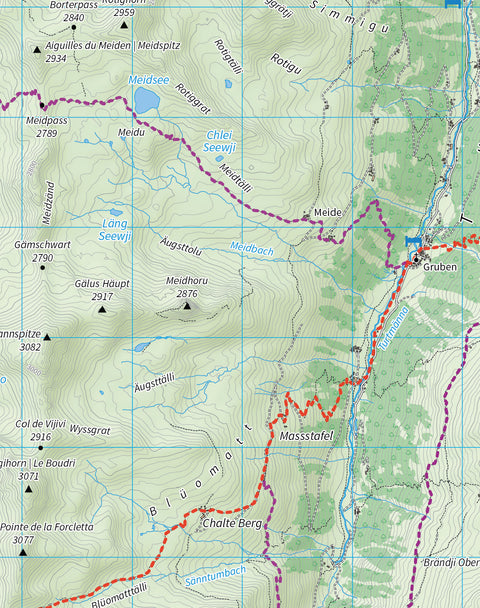
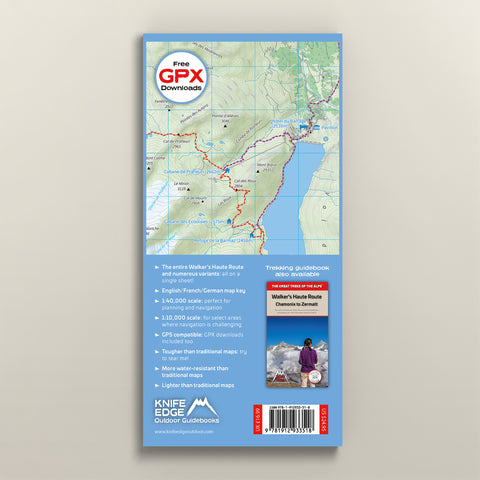
Carte de randonnée de la Haute Route de Walker (Chamonix à Zermatt)
Why are our guidebooks better?

What you really need to know is how to plan a trek: itineraries, accommodation, food, water, etc. However, for our competitors, trek planning is a mere afterthought and they fill their books with step by step directions for navigating the trail. Yet these days, most people navigate trails using GPX tracks and over-complicated directions are unnecessary. Accordingly, we focus in much greater detail on trek planning so that you can snag the best accommodation bookings. We still provide directions but they are more concise and user-friendly.

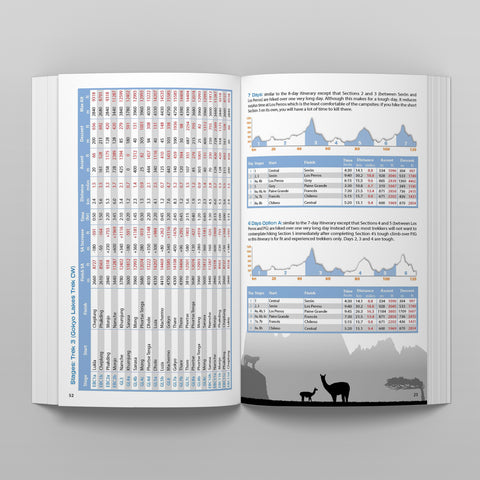
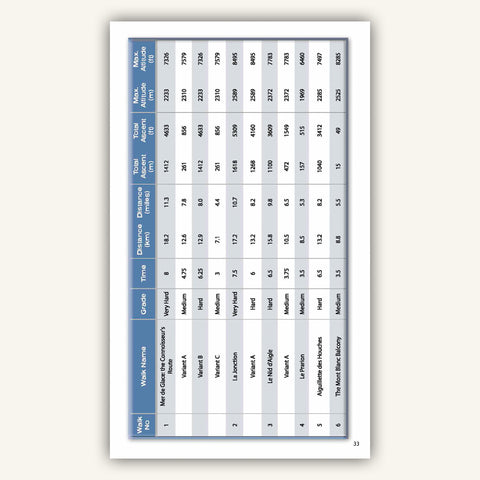
When planning a trek, the first step is to design an itinerary that matches your ability and experience. There is little point in booking trail accommodation until this is finalised. Our itinerary planners are far more comprehensive than anybody else's. We include up to 20 different itineraries and provide daily statitics for each of them. This enables you to quickly choose one that suits, saving you hours of work. You will not find these in any other books or on the web.

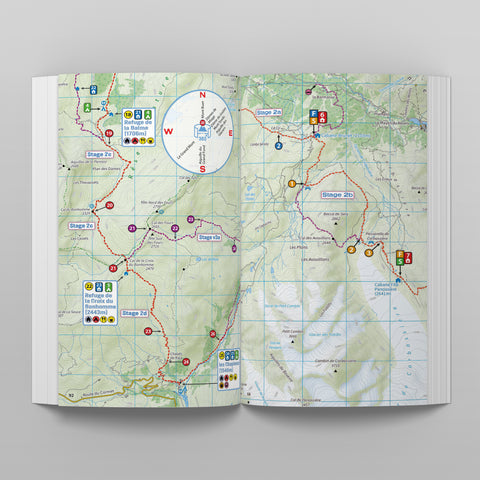
Unlike other books which contain useless sketch maps, ours contain real maps. In most cases, we produce our own mapping which is more up to date than many other traditional maps. Because we make our own, we can mark on them all accommodation, food and shops along the trail. This helps you to understand exactly where you can stay and where you will resupply. Other books do not provide this level of detail.

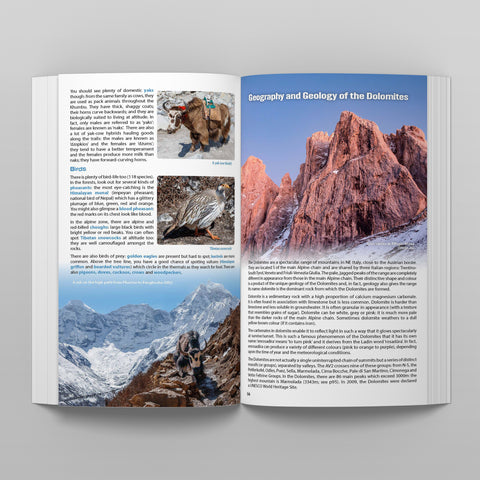
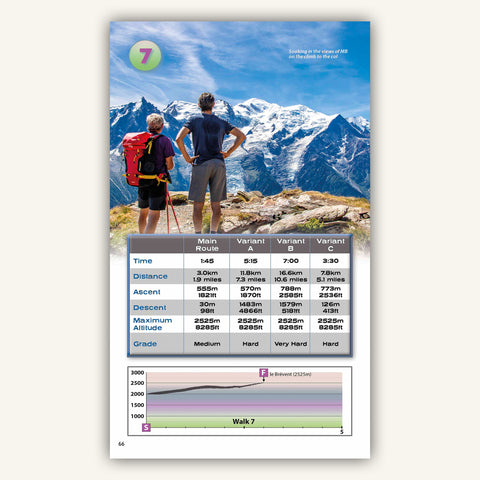
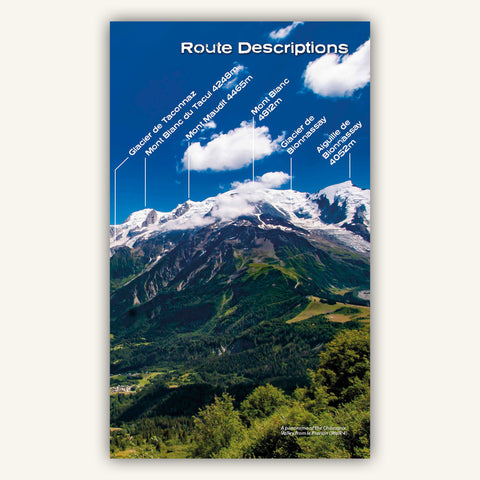
Our designs are more modern and exciting. Our professionally captured images help you visualise what you will see along the trail. There is nothing wrong with salivating over spectaular scenes even though your trek might be a year away!

Spending a few extra days in Chamonix?
This book will ensure that you get the most out of precious vacation time
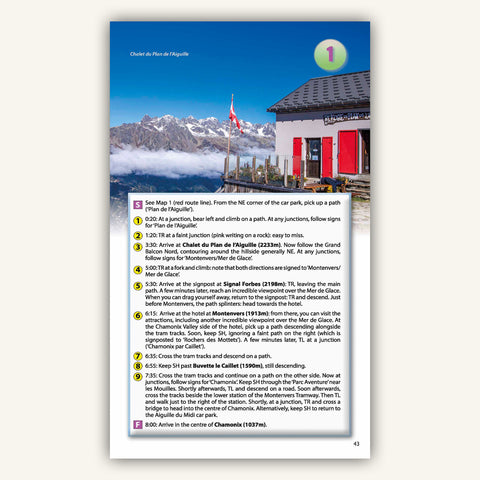
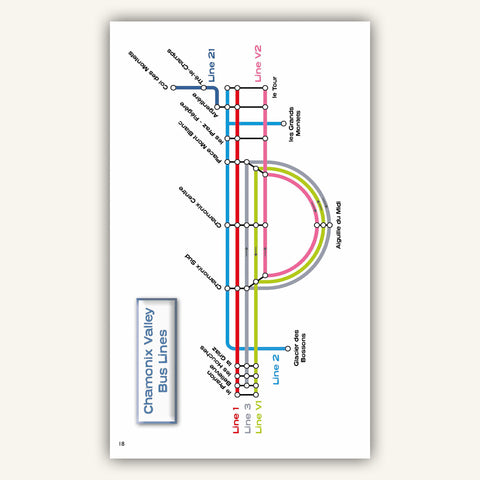
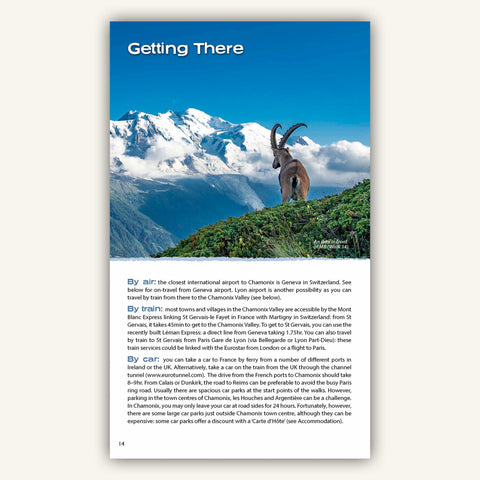
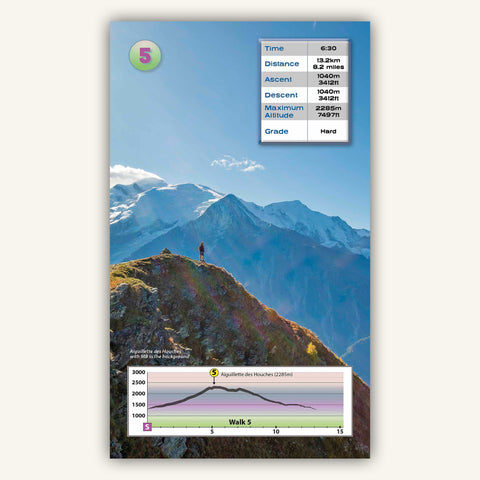
Randonnée à Chamonix-Mont-Blanc
The Great Treks of the Alps
The ultimate planning guides for the best alpine treks